OpenCode vs Claude Code: Setup, Models, Permissions and Cost
Short answer
Pick Claude Code if you want Anthropic's coding agent through an eligible Claude plan. Pick OpenCode if you want an MIT-licensed agent that works with more than 75 model providers or local models, using your own API keys or a bundled OpenCode plan.
A developer who likes Claude Code may still wonder whether OpenCode offers more control. Both tools can work from a terminal and edit a project. The important differences are who supplies the model, how the account is funded and how each tool asks before it acts.
OpenCode vs Claude Code at a glance
Compare the two tools on the same six questions.
Last checked 29 October 2026. Sources: https://opencode.ai/docs/go/ and https://claude.com/pricing.
Question | OpenCode | Claude Code |
|---|---|---|
Install | Install script or npm package | Native install script on macOS, Linux and WSL |
Account | API keys for the model providers you choose, or an OpenCode service | Pro, Max, Team, Enterprise or Console account |
Models | More than 75 providers and local models | Claude models through Anthropic, with supported third-party cloud providers |
Permissions | Rules resolve to allow, ask or deny | Named modes include default, acceptEdits, plan, auto and dontAsk |
Entry price | OpenCode Go $10 a month, or bring your own provider keys | Claude Pro $17 a month billed yearly, or $20 monthly |
License | MIT | Commercial Anthropic product |
Neither column wins every row. OpenCode is the more flexible model router. Claude Code is the simpler choice when a team already wants Claude and prefers one product account.
For a fair trial, use the same repository, the same small task and similarly capable models. Start both tools with narrow permissions. Record the edits, approvals and actual usage charge. This separates the agent experience from differences caused by the model or the task.
Setup and accounts
OpenCode setup
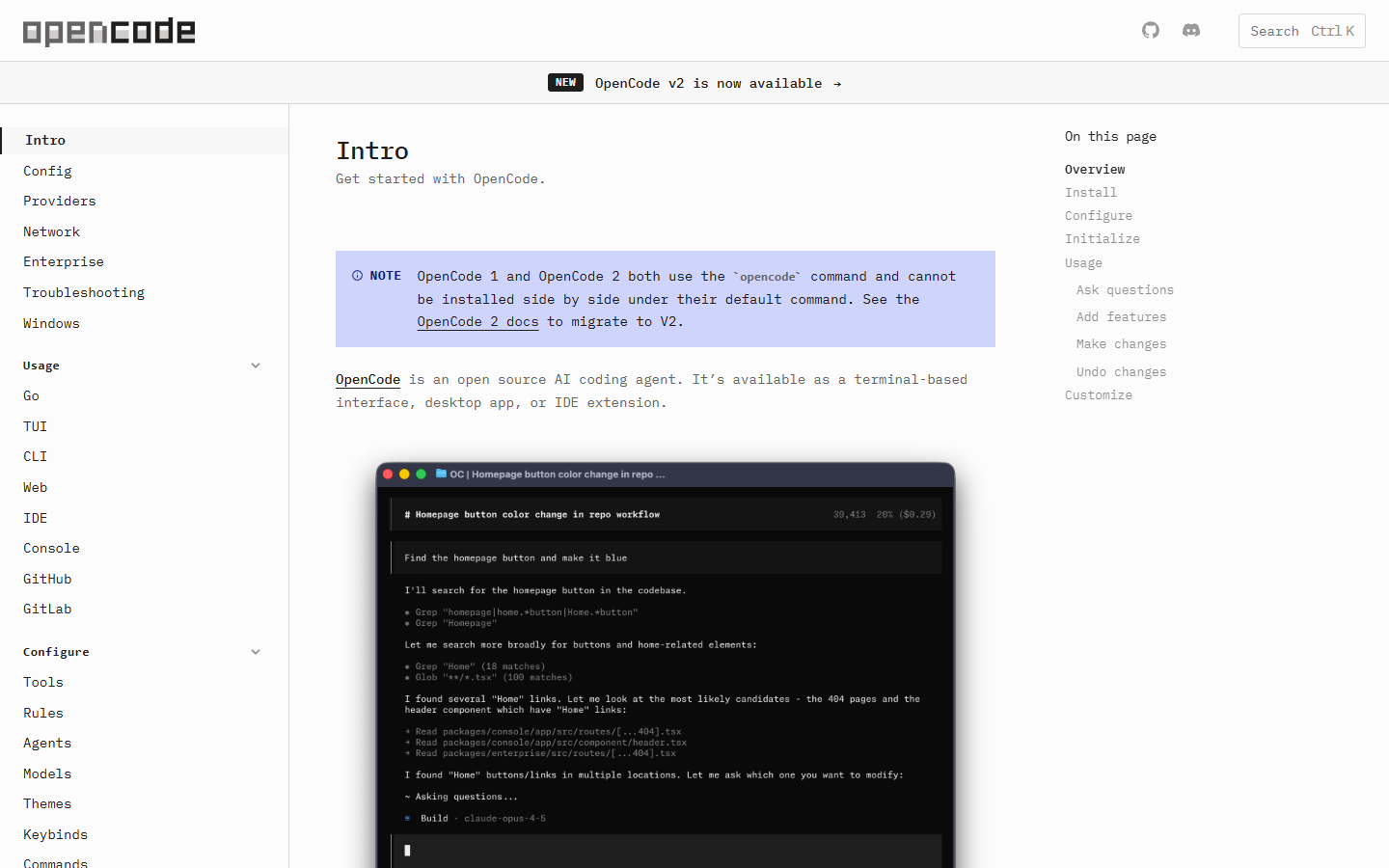
OpenCode is an open source agent available in a terminal interface, desktop app or IDE extension. Its documentation offers this install command:
```
curl -fsSL https://opencode.ai/install | bash
```
The npm alternative is:
```
npm install -g opencode-ai
```
After installation, connect the provider you intend to use. OpenCode needs the API keys for those providers. This separates the agent interface from the model account, which is useful when a team wants to compare providers or run a local model.
Claude Code setup
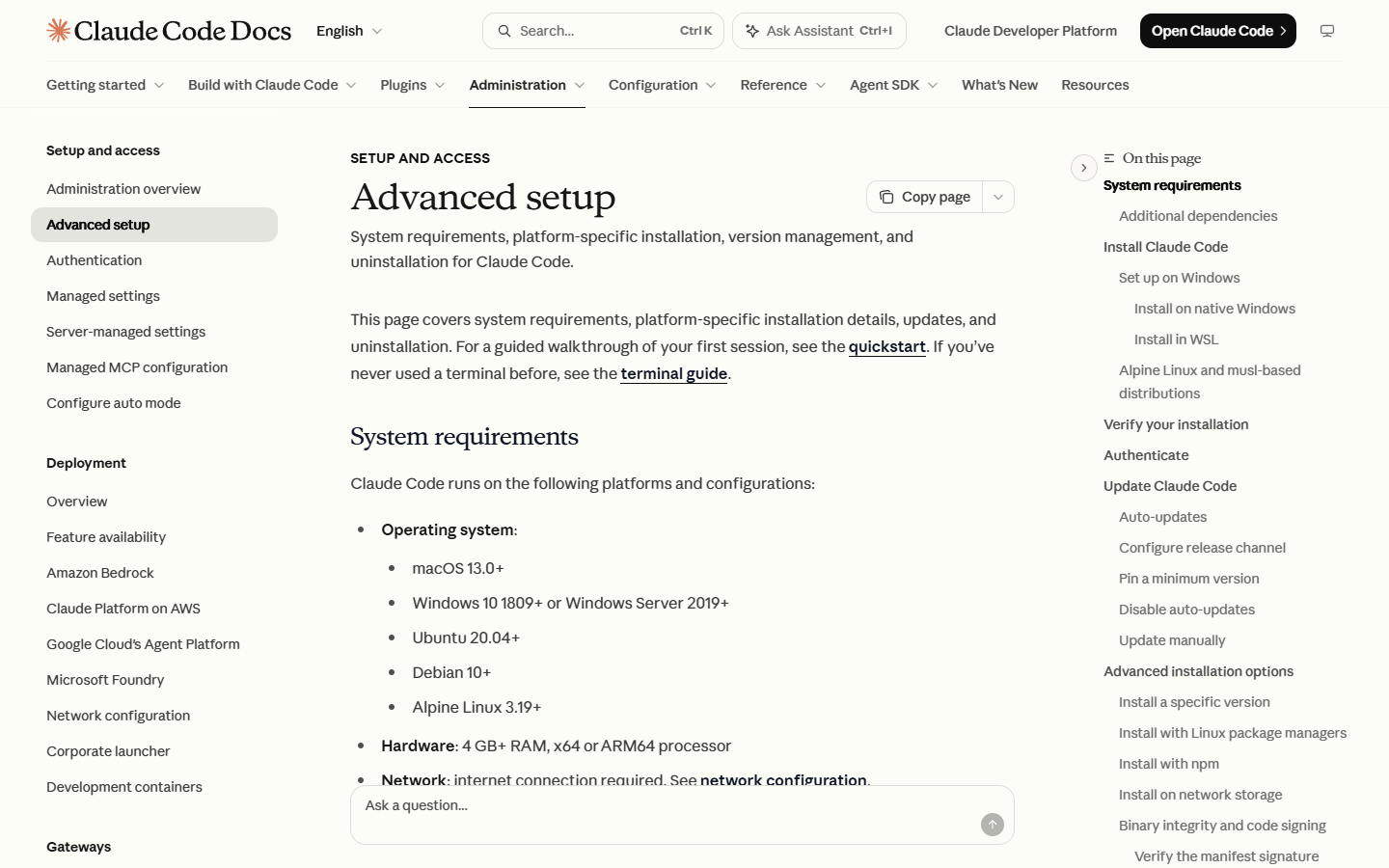
Anthropic's native installer for macOS, Linux and WSL is:
```
curl -fsSL https://claude.ai/install.sh | bash
```
Claude Code requires a Pro, Max, Team, Enterprise or Console account. The free Claude plan does not include Claude Code. Anthropic also documents connections through Amazon Bedrock, Google Cloud's Agent Platform and Microsoft Foundry for organizations that use those providers.
The account difference matters more than the install command. OpenCode asks you to choose and fund a model route. Claude Code starts from a Claude or Console relationship and keeps the agent and core model experience in one product family.
Models and providers
OpenCode says it supports more than 75 LLM providers through the AI SDK and Models.dev. It also supports local models. That makes it attractive when model choice is the requirement, not merely an experiment. A developer can keep one agent interface while changing the model behind it.
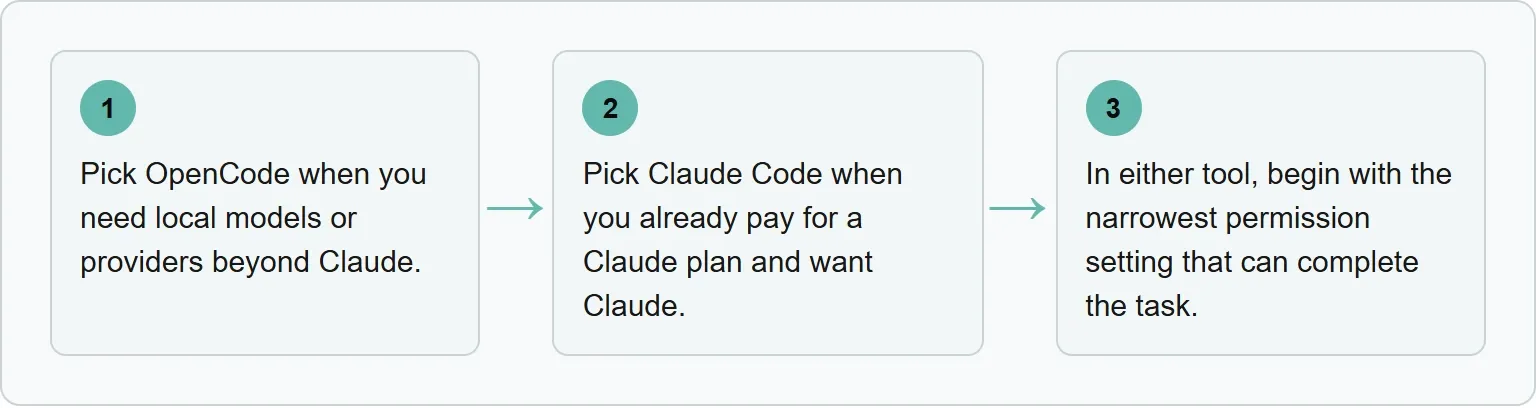
Pick OpenCode when you need local models or providers beyond Claude.
Claude Code is centered on Claude. It can also run through the supported enterprise cloud providers named above, but that is not the same proposition as a broad model marketplace. Pick it when the team's decision is already “use Claude,” and the remaining question is how to integrate the agent into development work.
Pick Claude Code when you already pay for a Claude plan and want Claude.
Permissions and safety
In either tool, begin with the narrowest permission setting that can complete the task.
Each OpenCode permission rule resolves to allow, ask or deny. This is a compact policy model. A team can use different rules for different actions instead of treating every tool call the same way.
In a project, put this rule in opencode.json:
```
{
"permission": {
"edit": "ask",
"bash": "deny"
}
}
```
OpenCode also has an automatic mode that approves requests unless a rule explicitly denies them. Use broader automation only after the deny rules match the project's real boundaries.
Claude Code provides named permission modes. The default mode prompts before the first use of each tool. The acceptEdits mode also permits file edits and common filesystem commands. Plan mode is designed for exploring before changing code. Other modes provide different levels of automation, including auto and dontAsk.
For example, this .claude/settings.json project setting starts Claude Code in plan mode:
```
{
"permissions": {
"defaultMode": "plan"
}
}
```
The names differ, but the practical question is the same: what can the agent do without a person stopping to review it? Start with the narrower policy. Expand it only when the repository, command scope and recovery path are understood.
What each costs
OpenCode can use provider API keys, so the model bill follows the provider and model selected. Its pay-as-you-go console charges per request against credits. OpenCode Go adds bundled access. Go was $10 a month, Go Plus was $40 a month and Go Teams was $20 per member a month. Source: https://opencode.ai/docs/go/, checked 29 October 2026.
Claude Code is included with eligible Claude plans. Claude Pro was $17 a month with a $200 annual payment, or $20 billed monthly. Max started at $100 a month. Source: Plans & pricing | Claude by Anthropic, checked 29 October 2026.
Anthropic's cost guide says enterprise deployments average about $13 per developer per active day and $150 to $250 per developer per month. That enterprise figure is an average, not a plan price or a promise about one team's usage. Source: Manage costs effectively, Claude Code Docs, checked 29 October 2026.
For a solo developer choosing a bundled entry plan, the simple monthly comparison is OpenCode Go at $10 against Claude Pro at $17 with annual billing or $20 with monthly billing. For heavier bundled use, OpenCode Go Plus at $40 compares with Claude Max starting at $100. OpenCode can also use your own provider keys, so its agent subscription and model bill may be separate. Sources: Go | OpenCode and Plans & pricing | Claude by Anthropic, checked 29 October 2026.
Compare the full working cost, not only the cheapest entry number. For OpenCode, include the provider account, model rates and any OpenCode service. For Claude Code, include the chosen Claude plan or Console usage and the number of active developers. The cheaper option depends on usage, model choice and whether one subscription replaces several provider accounts.
Pick OpenCode if, pick Claude Code if
Pick OpenCode if
OpenCode fits teams that want model and provider choice.
- You want one coding interface across many model providers.
- You need the option to run a local model.
- You prefer an MIT-licensed agent and are comfortable managing provider keys.
- You want explicit allow, ask and deny rules.
Skip OpenCode if you do not want to manage provider credentials, model selection and potentially separate model charges.
Pick Claude Code if
Claude Code fits teams already committed to Claude.
- You have already chosen Claude as the coding model.
- You want Claude Code included in an eligible Claude plan.
- Your organization uses Anthropic or one of its documented enterprise cloud routes.
- You prefer named modes for review, planning, edits and automation.
Skip Claude Code if broad provider choice or local-model support is a requirement.
If the choice is still close, test the same small repository task with the narrowest permission setting in each tool. Compare the change quality, the approvals you had to review and the actual account cost. Do not compare a premium model in one tool with a cheaper model in the other and call the agent interface the cause.
Official sources
Every product fact and price above comes from the vendor pages below.
- OpenCode introduction and installation
- OpenCode providers
- OpenCode permissions
- OpenCode Go plans
- OpenCode repository
- Claude Code setup
- Claude Code permission modes
- Claude Code costs
- Claude pricing
Check how AI answer engines describe your product
Frequently asked questions
Is OpenCode free?
The OpenCode repository uses the MIT license, but models and hosted services can still cost money. Using your own provider keys means paying that provider. OpenCode Go and the pay-as-you-go console are paid options.
Does Claude Code work on the free Claude plan?
No. Anthropic's setup page says Claude Code requires Pro, Max, Team, Enterprise or Console access.
Can OpenCode use Claude models?
Yes, through the documented Anthropic API route. In OpenCode, run /connect, select Anthropic and enter an API key created in the Anthropic Console. The OpenCode providers page says plugins that use Claude Pro or Max subscriptions are explicitly prohibited by Anthropic and are no longer bundled.
Which tool is safer?
Safety depends on the policy you configure and the work you authorize. OpenCode uses allow, ask and deny rules. Claude Code offers several permission modes. A narrow policy with reviewed changes is safer than broad automation in either tool.
Topics
- opencode vs claude code

Xtrusio
AI visibility research
Xtrusio is the Perception Engine for B2B brands.
Free check
See how AI engines answer about you
Get your free AI visibility check
Keep reading
 AI Search · Oct 29, 2026 · 8 min read
Claude Code Alternatives: 6 Coding Agents Compared, With Prices
Compare six Claude Code alternatives by price, payment model, setup and best fit, including Codex CLI, Copilot and open-source terminal agents. AI Search · Oct 22, 2026 · 5 min read
What OpenAI Says About How ChatGPT Ads Stay Separate From Answers
OpenAI explains how ChatGPT ads stay separate from answers. Learn the difference between ad selection and display, and keep paid and organic reporting distinct. AI Search · Oct 21, 2026 · 7 min read